
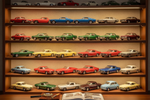
Origins of Diecast Models
Diecast models first appeared in the early 20th century, produced by companies such as Dinky Toys in the UK and Tootsietoy in the US. These miniature vehicles were made using die‑casting, a process that allowed for durable, detailed replicas at affordable prices.
Early Manufacturers
Dinky Toys, founded in 1934, became one of the most influential names in diecast history, offering cars, trucks, and aircraft. In America, Tootsietoy pioneered mass‑produced diecast vehicles, making them accessible to children and collectors alike.
The Golden Age of Diecast Collecting
From the 1950s through the 1970s, diecast models grew in popularity worldwide. Companies like Matchbox, Corgi, and Hot Wheels introduced innovative designs, realistic details, and themed collections that captured the imagination of millions.
Matchbox
Launched in 1953, Matchbox cars were small enough to fit inside a matchbox, making them affordable and portable. Their wide range of vehicles quickly became a global phenomenon.
Corgi
Corgi Toys, introduced in 1956, emphasized realism with features such as opening doors, working suspensions, and detailed interiors. They set new standards for diecast authenticity.
Hot Wheels
Debuting in 1968, Hot Wheels revolutionized the market with bold designs, vibrant colors, and high‑speed track systems. They remain a cornerstone of diecast collecting today.
Modern Collecting Trends
Diecast collecting has evolved into a serious hobby, with enthusiasts seeking rare models, limited editions, and high‑quality replicas from specialist manufacturers.
Premium Brands
Companies such as AutoArt, Minichamps, and Kyosho produce highly detailed 1:18 scale models, appealing to collectors who value precision and craftsmanship.
Limited Editions
Special releases, anniversary editions, and licensed replicas of iconic vehicles often become prized possessions, commanding high values in the collector market.
Tips for Collectors
Building a diecast collection requires knowledge, patience, and a keen eye for detail. Collectors often specialize in themes such as classic cars, racing vehicles, or trucks.
Condition and Packaging
Mint condition models with original packaging are the most valuable. Even minor wear can affect collectability.
Authenticity
Look for official branding, manufacturer marks, and certificates of authenticity when purchasing premium models.
Storage and Display
Proper storage prevents damage. Display cases protect models from dust and sunlight while showcasing them attractively.
The Joy of Collecting
Diecast models are more than toys—they are miniature works of art that capture automotive history. For collectors, each piece represents nostalgia, craftsmanship, and a tangible connection to the vehicles they admire.
Whether you’re drawn to vintage Matchbox cars or modern precision replicas, diecast collecting offers endless opportunities to explore, preserve, and celebrate automotive culture.


