
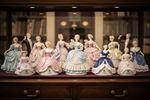
The Royal Doulton Figure of the Year series is one of the most beloved and recognisable collectible ranges in British ceramics. Celebrated for their elegance, craftsmanship, and annual limited‑edition releases, these figurines continue to attract collectors worldwide. This article explores the history of Royal Doulton figurines, the origins of the Figure of the Year tradition, and some of the higher‑value pieces sought after today.
The Origins of Royal Doulton Figurines
Royal Doulton’s history stretches back to 1815, when John Doulton founded the company in Lambeth, London. Originally known for stoneware, the brand expanded into artistic pottery in the late 19th century, employing renowned designers such as George Tinworth, the Barlow family, and Mark Marshall. By 1901, the company received a Royal Warrant from King Edward VII, officially becoming Royal Doulton.
Figurine production began in the early 20th century, with the famous “HN” numbering system introduced under Harry Nixon, head of the painting department. These early figurines set the foundation for the elegant Pretty Ladies and later the annual Figure of the Year collections.
The Figure of the Year Tradition
The Figure of the Year series was created to celebrate Royal Doulton’s craftsmanship through a single standout figurine released annually. These pieces typically feature:
- Graceful, feminine designs inspired by fashion, dance, and classic beauty
- Hand‑decorated bone china craftsmanship
- Limited production runs, increasing long‑term collectability
- Designs by leading artists such as Neil Faulkner
Each year’s figure becomes a snapshot of Royal Doulton’s evolving artistic style, making the series a favourite among collectors who enjoy building complete annual sets.
Notable and Higher‑Value Figures of the Year
While many Figures of the Year remain affordable, certain editions command higher prices due to rarity, condition, and desirability. Current market listings show several standout examples:
Royal Doulton Victoria – Figure of the Year 2017
This elegant modern release is one of the more valuable contemporary pieces, with boxed examples listed around £250 on the collector market.
Royal Doulton Jessica – Figure of the Year 2018
Another high‑value modern figurine, Jessica often appears at £350–£375 in excellent condition. Its flowing gown and rich colouring make it especially desirable.
Royal Doulton Deborah – Figure of the Year 1995
Earlier Figures of the Year such as Deborah (HN3644) remain popular, with pristine examples still commanding strong interest among collectors.
Royal Doulton Belle – Figure of the Year 1996
Though more common, Belle remains a classic mid‑1990s release and is frequently sought after by collectors completing decade‑specific sets.
Why Collectors Love the Figure of the Year Series
Collectors value these figurines for several reasons:
- Consistency: A new design every year encourages long‑term collecting.
- Craftsmanship: Each piece is hand‑decorated by skilled artisans.
- Display appeal: The Pretty Ladies aesthetic remains timeless.
- Investment potential: Certain editions appreciate in value over time.
The Future of Royal Doulton Figurines
Royal Doulton has shifted its focus toward tableware in recent years, with the company announcing the end of new figurine production. This change has increased interest in existing figurines, particularly the annual collections, as collectors recognise them as part of a closed historical chapter.
As a result, the Figure of the Year series is now more significant than ever—representing over a century of artistry, tradition, and British ceramic heritage.
Conclusion
The Royal Doulton Figure of the Year collection remains a cornerstone of British ceramic collecting. Whether you’re drawn to early classics or the more valuable modern releases, each figurine offers a blend of beauty, craftsmanship, and history that continues to captivate collectors around the world.
Occasionally we do have Royal Doulton Figurines of the Year For Sale here.


