
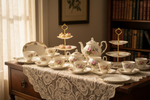
Royal Albert pottery is renowned worldwide for its exquisite floral designs, fine bone china, and rich heritage that dates back to the late 19th century. Collectors and enthusiasts alike cherish Royal Albert pieces for their delicate beauty and enduring quality.
History and Origins
Founded in 1896 in England, Royal Albert began as a brand under the prestigious Thomas C. Wild & Co., later becoming part of the Royal Doulton group. The brand quickly gained fame for its intricate hand-painted floral patterns, especially the iconic "Old Country Roses" design introduced in 1962, which remains one of the best-selling china patterns in the world.
Design and Craftsmanship
Royal Albert pottery is celebrated for its use of fine bone china, which combines strength with translucency. Each piece is carefully crafted and decorated, often featuring hand-applied gold trim and detailed floral motifs. The artistry involved ensures that every cup, saucer, and plate is a miniature work of art.
Collectability and Value
Collectors prize Royal Albert pottery for its historical significance and aesthetic appeal. Vintage pieces, especially those from limited editions or discontinued patterns, can command high prices in the antiques market. Condition, rarity, and pattern popularity all influence the value of Royal Albert items.
Caring for Your Royal Albert Pottery
To preserve the beauty and integrity of Royal Albert china, it is recommended to hand wash pieces with mild detergent and avoid abrasive materials. While some modern pieces may be dishwasher safe, hand washing extends the life of delicate gold trims and painted designs.
Conclusion
Royal Albert pottery remains a symbol of British elegance and fine craftsmanship. Whether used for special occasions or displayed as collectibles, these pieces continue to enchant with their timeless charm and artistry.


